 Malcolm
 Freezing weather can cause more than just stiff steering and slow starts—it can also disrupt your horn’s functionality. In cold climates, the mechanical parts inside the horn unit, such as the metal diaphragm, can become stiff or brittle, leading to delayed or muted sounds. Additionally, cold temperatures can cause contraction in electrical components and wiring, sometimes loosening connections just enough to break the circuit. Drivers may notice that their horn sounds weak or doesn’t respond at all until the vehicle warms up.
Moisture and Corrosion Risks
Rain, snow, and even high humidity can introduce moisture into your vehicle’s electrical systems—especially under the hood where the horn is typically located. Over time, this moisture can lead to corrosion in the wiring, terminals, or the horn itself. Rust and oxidation on connectors reduce electrical conductivity, weakening the horn’s output or stopping it entirely. If you’ve driven through deep water or experienced a wet season, moisture could easily be the reason behind a sudden horn failure. Choosing the Auto Repair in Bismark, ND based service is essential here.
Heat and Component Degradation
Just like extreme cold, intense heat can also take a toll on your horn system. High temperatures can cause the plastic components around the horn and its electrical connectors to warp or crack, especially in older vehicles. Prolonged exposure to heat can also dry out insulation around wiring, leading to brittleness and eventual breakage. Under-hood heat from the engine combined with summer weather can speed up this wear and tear, potentially leading to shorts or open circuits that silence your horn.
Seasonal Fluctuations and Intermittent Problems
One of the trickiest issues with weather-related horn problems is their inconsistency. A horn might work fine on a dry, mild day but fail during rain or cold mornings. These intermittent faults are often caused by seasonal expansion and contraction of electrical connections or temporary moisture buildup. Because the problem comes and goes, many drivers ignore it—until they really need the horn and it fails to respond. This inconsistency makes seasonal maintenance and regular horn testing even more important.
Protecting Your Horn from the Elements
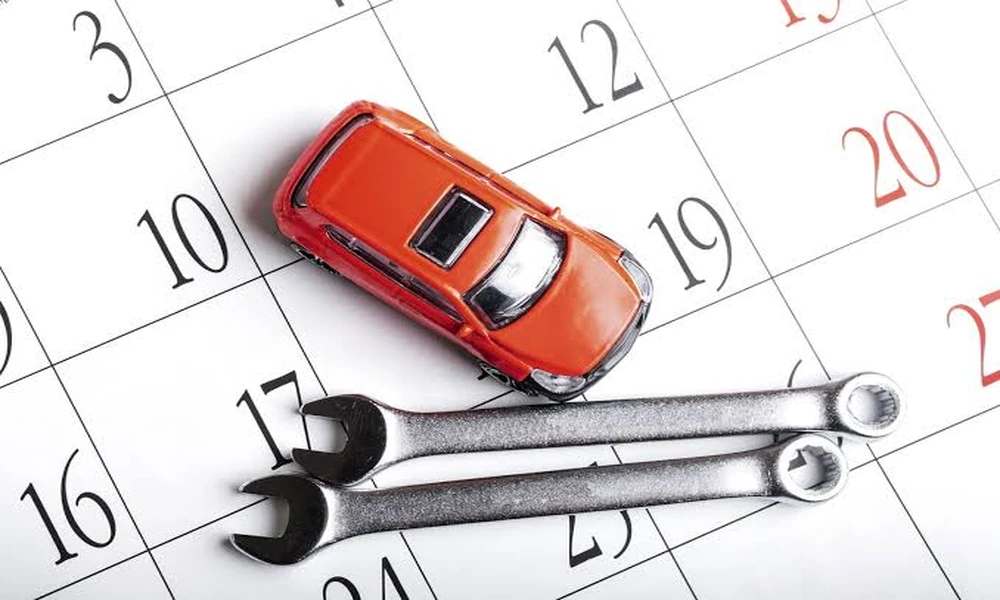
While you can’t control the weather, you can take steps to protect your horn system. Regular inspections of the horn, wiring, and connectors—especially after seasonal changes—can help catch issues early. Applying dielectric grease to exposed terminals helps resist moisture and corrosion. If your horn is mounted in a vulnerable spot, consider a protective cover or shield. And most importantly, if you notice any sign of a weak or failing horn, get it checked before you’re left silent in an emergency.
From icy starts to steamy summers, weather plays a bigger role in your horn’s reliability than you might expect. Staying aware of how climate affects your vehicle’s electronics can keep you safer—and make sure your horn speaks up when it counts.