 Daniel D. Downes
 A properly maintained radiator is one of the most effective ways to prevent engine overheating, avoid costly repairs, and ensure your vehicle performs reliably. Whether you drive daily in city traffic or take frequent long trips, paying attention to your cooling system — and specifically the radiator — can save you from unexpected breakdowns.
Why Radiator Health Matters
The radiator plays a critical role in keeping your engine cool by dissipating excess heat. Over time, dust, dirt, sludge, or coolant degradation can reduce its efficiency. When the radiator is compromised, the engine runs hotter, leading to potential overheating, reduced performance, and even severe engine damage. Maintaining the radiator helps preserve engine life, improve fuel efficiency, and maintain overall vehicle performance.
Routine Checks to Perform
Check Coolant Level and Condition
At least once a month, check the coolant reservoir level while the engine is cold. If the coolant level is low, top it off with the correct coolant type recommended in your vehicle’s manual. Equally important is the coolant’s condition — fresh coolant should be clear or lightly colored. If it looks rusty, dirty, or milky, it’s a sign the system needs a flush.
Inspect for Leaks and Damaged Hoses
Radiator hoses and connections can wear out, crack, or loosen over time. Inspect all visible hoses, clamps, and fittings for signs of leakage, cracks, or corrosion. Even a small leak can cause coolant loss and lead to overheating. Replace any damaged hose immediately and ensure all clamps are securely tightened.
Monitor Radiator Cap and Pressure
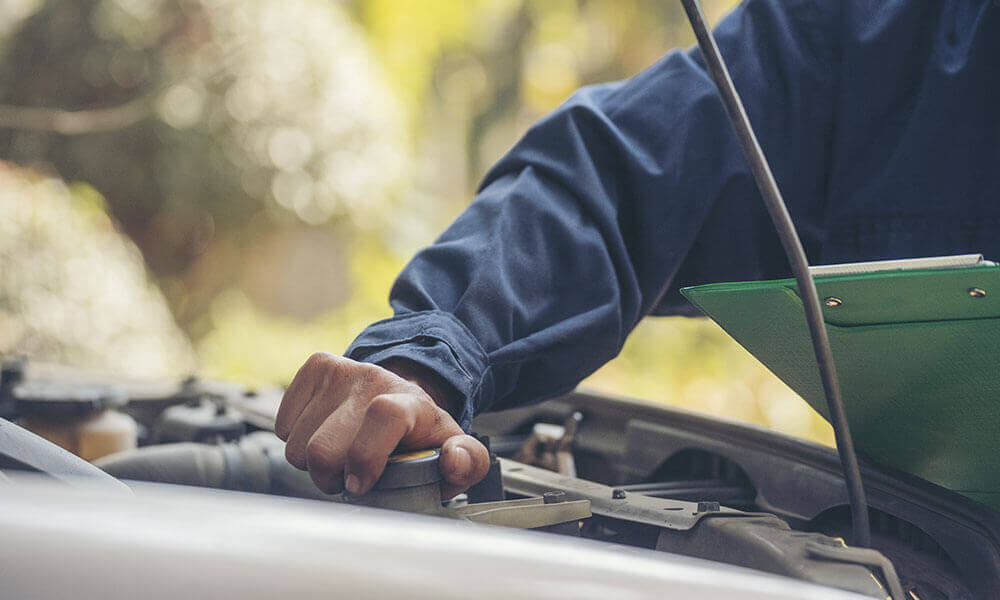
The radiator cap helps maintain the correct system pressure and prevents coolant boil-over. A faulty or worn cap can lead to coolant loss or reduced cooling efficiency. Inspect the cap for cracks, worn seals, or rust, and replace it if it doesn’t seal properly.
Deep Maintenance Steps
Flush and Replace Coolant Periodically
Over time, coolant degrades and may accumulate sediment, rust, or scale inside the radiator and engine block. Flushing the cooling system, then refilling with fresh coolant mixed with distilled water (per manufacturer recommendations), helps remove buildup and restores proper heat transfer. Aim to do a coolant flush every 2 to 3 years — or sooner if you notice discoloration or performance issues.
Clean the Radiator Fins and Surface
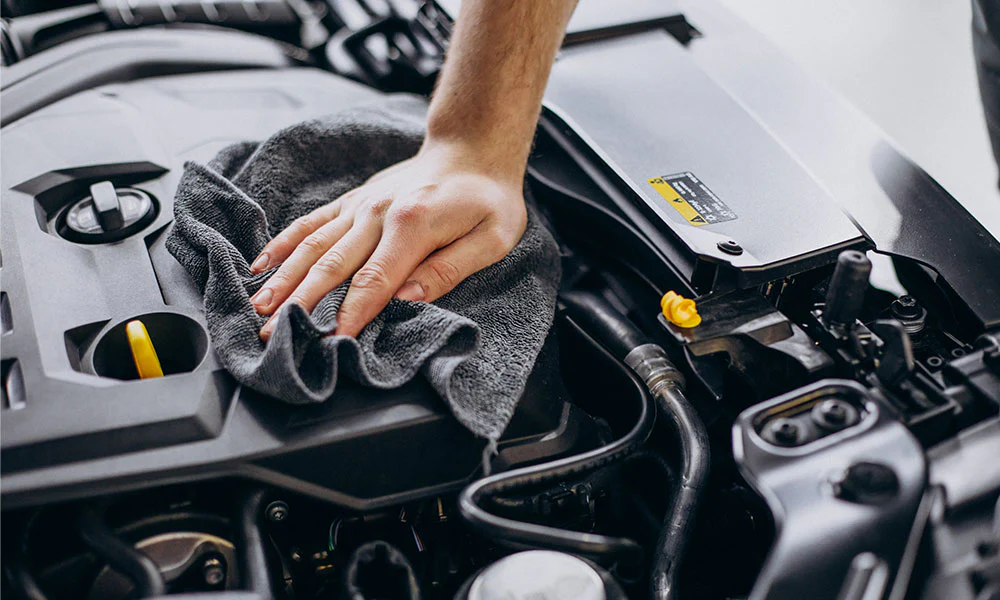
External airflow through the radiator is essential for cooling. Debris like leaves, bugs, or road dirt can block airflow and reduce cooling performance. Use a gentle stream of water or compressed air (on low setting) to clean the radiator fins periodically. Be careful not to bend the fins when cleaning.
Keep the Cooling System Balanced
Ensure all components — radiator, coolant, thermostat, water pump — work together properly. A worn thermostat or failing water pump can negate even a well-maintained radiator. Pay attention to temperature gauge readings and any irregularities in engine temperature or cooling system performance.
Final Thoughts
Preventing engine overheating starts with simple, regular radiator maintenance. By checking coolant levels, inspecting hoses, replacing worn caps, flushing the system, and keeping the radiator clean, you can ensure your engine runs cooler, smoother, and more reliably. At Sunshine Auto Repair, we recommend adding radiator inspections to your regular maintenance routine to avoid overheating problems before they happen. A little care today can save you from costly repairs tomorrow — and keep your drives safe and worry‑free.
This post was written by a professional at Sunshine Auto Repair. Need auto repair shops El Cajon? reliable auto repair near you, or the best auto mechanic near you in El Cajon, CA? For over 20 years, Sunshine Auto Repair, our family-run shop, has provided honest service, fair prices, and expert care for cars, SUVs, trucks, and commercial vehicles.