 Denise L. Moore
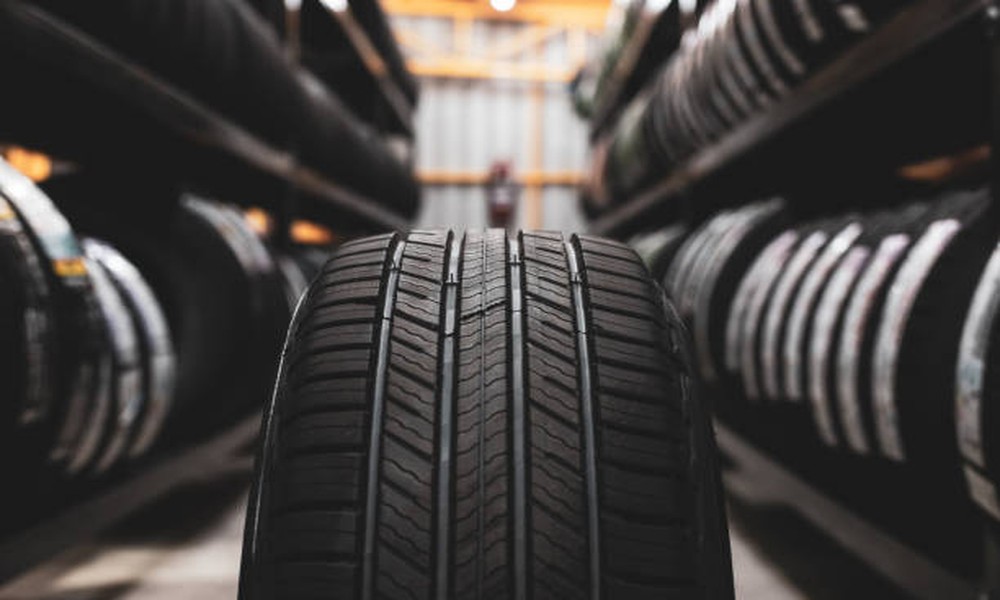
 When you visit your local tyre shop, one crucial decision stands out: selecting between soft and hard compound tyres. This choice directly impacts your riding experience, from grip and handling to longevity and fuel efficiency. Understanding the fundamental differences between these compounds helps you make an informed decision that matches your riding style and needs.
Tyre compounds consist of specific rubber blends mixed with polymers and additives. Manufacturers adjust these mixtures to create tyres with distinct characteristics. The compound determines how your tyres interact with the road surface, affecting everything from cornering confidence to how often you’ll return to the tyre shop for replacements.
Understanding Soft Compound Tyres
Soft compound tyres contain higher concentrations of natural rubber and flexible polymers. This composition allows the rubber to mould itself to road imperfections, creating maximum contact between tyre and tarmac.
Performance Benefits of Soft Compounds
The primary advantage of soft compound tyres lies in their exceptional grip. When you lean into corners or brake hard, these tyres stick to the road like adhesive. This characteristic makes them popular among performance riders who prioritise handling over other factors.
Key advantages include:
- Superior wet weather traction
- Shorter braking distances
- Enhanced cornering stability
- Quick warm-up times
- Better feedback through handlebars
The flexibility of soft compounds proves particularly valuable during city riding. Frequent stops, starts, and direction changes benefit from the increased grip these tyres provide. When you encounter a tubeless tyre puncture, soft compounds may seal small holes more effectively due to their pliable nature.
Considerations When Choosing Soft Compounds
While soft compound tyres excel at performance, they come with trade-offs. Their softer construction means they wear faster than harder alternatives. You’ll visit your tyre shop more frequently for replacements, typically after 5,000-8,000 kilometres depending on riding conditions.
Common drawbacks:
- Rapid tread wear
- Higher replacement costs
- Reduced fuel economy
- Heat sensitivity on long rides
- Limited load-carrying capacity
Exploring Hard Compound Tyres
Hard compound tyres incorporate more synthetic rubber and silica, creating a stiffer, more durable structure. This composition resists wear and maintains shape over extended periods.
Durability and Economy Advantages
The standout feature of hard compound tyres remains their impressive lifespan. These tyres often last 15,000-20,000 kilometres, significantly reducing replacement frequency. For daily commuters covering substantial distances, this longevity translates into considerable cost savings.
Primary benefits include:
- Extended tread life
- Better fuel efficiency
- Consistent highway performance
- Superior load stability
- Lower operating costs
Hard compounds maintain their performance characteristics throughout their lifespan. Unlike soft tyres that gradually lose grip as they wear, hard compounds provide consistent, predictable handling until replacement becomes necessary.
Performance Limitations to Consider
The durability of hard compound tyres comes at the expense of ultimate grip. These tyres require longer distances to reach optimal operating temperatures, particularly problematic during short trips or cold weather riding.
Notable limitations:
- Reduced wet weather grip
- Extended braking distances
- Less responsive handling
- Slower temperature build-up
- Limited performance potential
Making Your Compound Decision
Selecting between soft and hard compounds requires honest assessment of your riding habits and priorities. Consider these factors when making your choice:
Riding Style Analysis
Choose soft compounds if you:
- Ride aggressively through corners
- Prioritise maximum grip
- Cover modest daily distances
- Frequently ride in wet conditions
- Value performance over economy
Select hard compounds if you:
- Commute long distances daily
- Carry heavy loads regularly
- Prefer predictable handling
- Want minimal maintenance
- Focus on running costs
| Characteristic | Soft Compound | Hard Compound |
| Grip Level | Excellent | Good |
| Tyre Life | 5,000-8,000 km | 15,000-20,000 km |
| Wet Performance | Superior | Adequate |
| Fuel Economy | Lower | Higher |
| Warm-up Time | Quick | Slow |
| Price per km | Higher | Lower |
Environmental Factors
Your local climate influences compound effectiveness. Soft tyres perform brilliantly in cooler temperatures where their flexibility remains optimal. During scorching summer months, they may become too soft, accelerating wear rates.
Hard compounds favour hot climates where their stiffer construction prevents excessive heat build-up. However, they struggle to generate sufficient grip during cold morning rides or winter conditions.
Road surfaces also matter. Smooth highways suit hard compounds perfectly, while rough urban roads benefit from soft tyres’ superior compliance. If you frequently encounter a tubeless tyre puncture, consider that repairs might differ between compound types.
Practical Maintenance Considerations
Regardless of compound choice, proper maintenance extends tyre life and maintains safety. Regular pressure checks become even more critical with soft compounds, as their flexible nature makes them susceptible to deformation when underinflated.
Essential maintenance practices:
When experiencing a tubeless tyre puncture, repair methods remain similar between compounds, though soft tyres may seal better initially.
Wrapping Up
Your choice between soft and hard compound tyres shapes every aspect of your riding experience. Soft compounds deliver unmatched grip and control for performance-focused riders willing to accept higher running costs. Hard compounds provide economical, dependable service for riders covering substantial distances or carrying heavy loads.