 Denise L. Moore
 Tires are one of the most important safety components of any vehicle, and their condition can reveal a lot about how your car is performing. By paying attention to tire wear patterns, drivers can identify underlying mechanical issues early and avoid costly repairs. Uneven wear is often a warning sign that something needs attention, whether it’s tire pressure, alignment, or suspension.
Common Tire Wear Patterns
Even Tread Wear
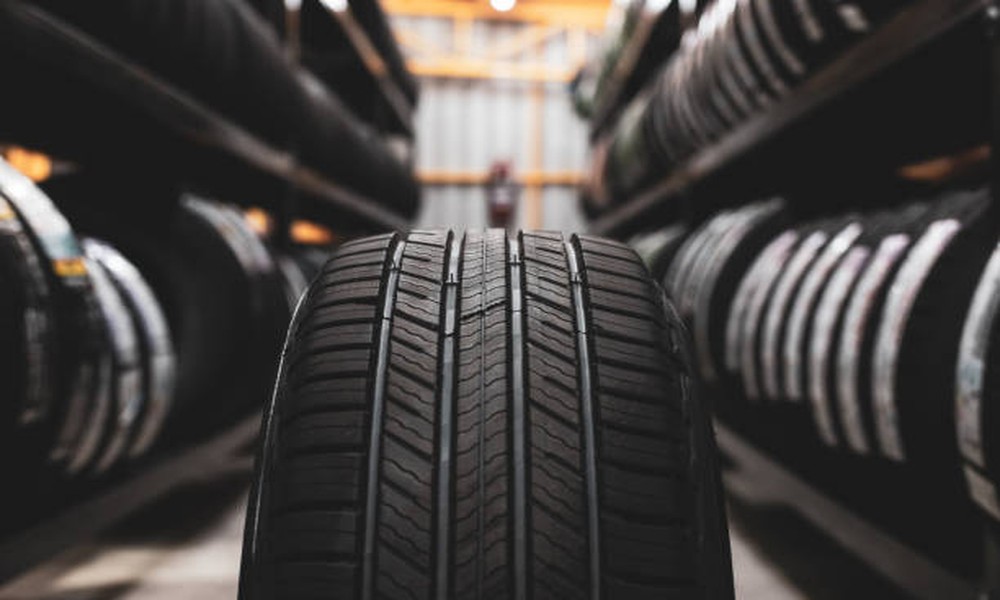
Even wear across the tire surface is the ideal condition. It typically means your tires are properly inflated, aligned, and rotated regularly. This pattern indicates that your vehicle is operating efficiently and safely.
Center Wear
If the center of the tread wears down faster than the edges, it usually points to overinflation. Excess air pressure causes the middle of the tire to bear most of the load, leading to faster wear in that area.
Edge Wear
Wear along both outer edges often indicates underinflation. When a tire lacks proper air pressure, the edges make more contact with the road, causing them to wear out more quickly than the center.
Inner or Outer Edge Wear
When only one side of the tire shows excessive wear, it is often a sign of wheel misalignment or suspension issues. This can affect handling and lead to uneven stress on the tire.
Irregular Wear Patterns
Cupping or Scalloping
Cupping appears as uneven dips or patches around the tire surface. This pattern is commonly caused by worn suspension components or imbalanced wheels, and it may create vibrations while driving.
Feathering
Feathering occurs when the tread feels smooth on one side and sharp on the other. This is usually the result of improper alignment, where tires are angled slightly as they contact the road.
Patchy or Flat Spots
Random worn areas or flat spots can develop due to sudden braking, wheel imbalance, or even internal tire damage. These spots reduce traction and can lead to a rough driving experience.
What Tire Wear Means for Your Vehicle
Tire wear patterns are more than just cosmetic concerns. They can signal problems such as incorrect tire pressure, poor alignment, or worn suspension parts. Ignoring these signs can reduce fuel efficiency, compromise handling, and increase safety risks on the road.
Preventing Uneven Tire Wear
Regular Maintenance
Keeping your tires properly inflated and rotating them regularly helps ensure even wear and extends their lifespan.
Alignment and Balancing
Routine alignment and balancing services keep your tires in proper contact with the road and prevent irregular wear patterns.
Driving Habits
Smooth driving, avoiding harsh braking, and careful cornering can significantly reduce unnecessary tire wear.
Understanding tire wear patterns allows you to take proactive steps in maintaining your vehicle. By addressing issues early, you can improve performance, enhance safety, and get the most out of your tires.
This post was written by a professional at Sunshine Auto Repair. Need mechanics in El Cajon, CA, reliable auto repair near you, or the best auto mechanic near you in El Cajon, CA? For over 20 years, Sunshine Auto Repair, our family-run shop, has provided honest service, fair prices, and expert care for cars, SUVs, trucks, and commercial vehicles.