Skip to content
March 1, 2026
  • The Impact of Tire Rotation on Noise Levels Inside Your Vehicle
  • The Hidden Role of Heater Hoses in Evaporative Emission Control
  • Common Symptoms Indicating Your Car AC Needs Repair
  • Self driving taxi rules in the UK and what Doncaster riders should know
Auto Stickz

Auto Stickz

Auto Blog

Newsletter
Random News
  • Let’s Chat
  • Meet the Team
Headlines
  • The Impact of Tire Rotation on Noise Levels Inside Your Vehicle

    2 days ago
  • The Hidden Role of Heater Hoses in Evaporative Emission Control

    3 days ago
  • Common Symptoms Indicating Your Car AC Needs Repair

    5 days ago5 days ago
  • Self driving taxi rules in the UK and what Doncaster riders should know

    5 days ago5 days ago
  • How to Choose the Right Diesel Mechanic in Bozeman

    6 days ago
  • Choosing the Right Attachment: Why the Skid Steer Loader Grapple Bucket Is a Game-Changer for Demolition Work

    1 week ago1 week ago
  • Home
  • Maintenance
  • Understanding the Role of Fluids in Your Vehicle: From Transmission to Brake Fluid

Recent Posts

  • The Impact of Tire Rotation on Noise Levels Inside Your Vehicle
  • The Hidden Role of Heater Hoses in Evaporative Emission Control
  • Common Symptoms Indicating Your Car AC Needs Repair
  • Self driving taxi rules in the UK and what Doncaster riders should know
  • How to Choose the Right Diesel Mechanic in Bozeman

Quick Link

  • Let’s Chat
  • Meet the Team
  • Maintenance

Understanding the Role of Fluids in Your Vehicle: From Transmission to Brake Fluid

Malcolm3 years ago3 years ago02 mins
Understanding the Role of Fluids in Your Vehicle

As a vehicle owner, it is important to understand the different fluids that keep your car running smoothly. Fluids play a crucial role in ensuring that your vehicle functions properly and stays in good condition. In this article, we will discuss the importance of various fluids in your vehicle, from transmission to brake fluid.

Transmission Fluid

Transmission fluid is responsible for lubricating the transmission’s moving parts, which include gears and bearings. It also helps to keep the transmission cool and prevent it from overheating. It is important to check the transmission fluid regularly and replace it as needed to maintain the proper level and ensure that it remains clean and effective.

Engine Oil
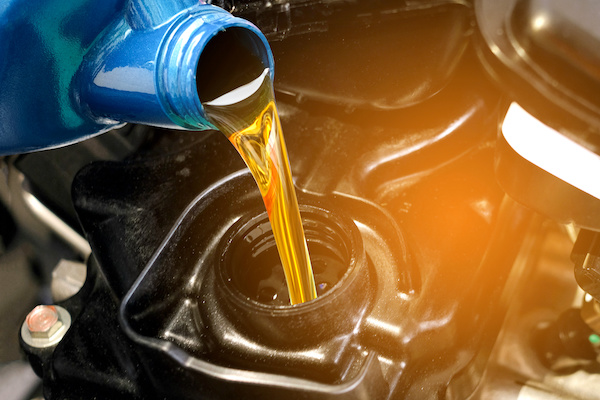
Engine Oil

Engine oil is perhaps the most important fluid in your vehicle. It lubricates the engine’s moving parts, reduces friction, and helps to prevent wear and tear. It also helps to cool the engine and remove contaminants. Engine oil should be checked and changed regularly to ensure that it remains clean and effective at protecting your engine.

Coolant

Coolant, also known as antifreeze, is responsible for regulating the engine’s temperature. It helps to prevent the engine from overheating and freezing. It is important to check the coolant level regularly and ensure that it remains clean and free of contaminants.

Brake Fluid

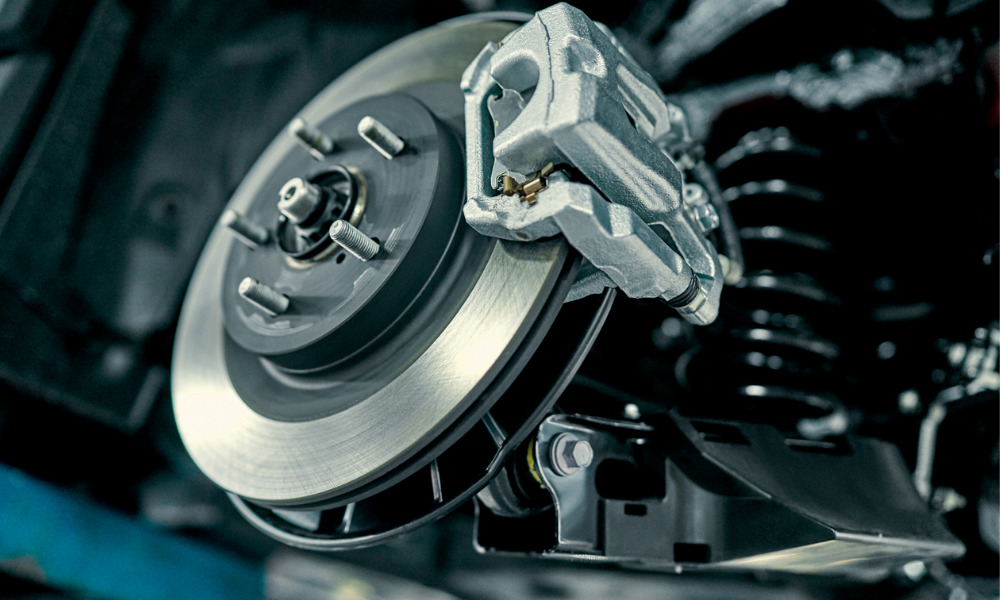
Brake fluid is responsible for transmitting the force from the brake pedal to the brake pads. It also helps to lubricate the braking system and prevent corrosion. It is important to check the brake fluid level regularly and replace it as needed to ensure that the brake system remains effective and safe.

Power Steering Fluid

Power steering fluid is responsible for lubricating and cooling the power steering pump and hydraulic system. It also helps to reduce friction and prevent wear and tear. It is important to check the power steering fluid level regularly and replace it as needed to ensure that the power steering system remains effective and safe.

Conclusion

Fluids play a crucial role in ensuring that your vehicle functions properly and stays in good condition. Regular maintenance and check-ups of these fluids can go a long way in keeping your vehicle running smoothly and safely. Remember to always consult your vehicle’s owner manual for specific guidelines on how to check and change these fluids.
Tagged: Brake Fluid Transmission Fluid Vehicle Fluids

Post navigation

Previous: The Rise of Solar-Powered Vehicles: A Feasible Future?
Next: The Shift Towards Lightweight Materials in Auto Production: Benefits and Challenges

Related News

The Impact of Tire Rotation on Noise Levels Inside Your Vehicle

Heidi G. Rodriguez2 days ago 0

How to Choose the Right Diesel Mechanic in Bozeman

Jennifer P. Schroeder6 days ago 0

The Best Way to Protect Diesel Fuel Systems in Any Season

Malcolm1 month ago1 month ago 0
Engine Oil

Decoding the Science Behind Engine Oil: Composition and Importance

Malcolm3 years ago3 years ago 0

Categories

  • Auto
  • Driving Tips
  • Featured
  • Maintenance
  • SUVs
  • Vehicles
  • FAVORITES
  • RECENT