 Jennifer P. Schroeder
 A clutch master cylinder plays an important role in manual transmission performance. The component transfers pedal pressure into hydraulic force for clutch operation. When failure begins the clutch pedal can feel noticeably different. Sometimes gear changes become difficult during ordinary driving conditions. Recognizing these symptoms can help prevent further transmission related complications.
A Soft or Spongy Clutch Pedal
A soft clutch pedal can indicate developing master cylinder problems. The pedal may gradually lose its normal resistance during operation. Sometimes pressing the pedal feels unusually light or inconsistent. This change can occur when hydraulic pressure fails to remain stable. Air entering the hydraulic system may also create similar sensations.
The clutch may still operate initially despite these unusual pedal characteristics. However continued pressure loss can eventually make gear selection difficult. A professional inspection can determine whether hydraulic components require attention. EAS Tire & Auto can examine the clutch system when pedal response becomes increasingly unusual.
Difficulty Selecting Manual Transmission Gears
Difficulty selecting gears often signals inadequate clutch disengagement. The master cylinder must create sufficient hydraulic pressure for proper clutch movement. When pressure drops the clutch may remain partially engaged during shifting. This condition can make first gear especially difficult to select smoothly.
Grinding sounds may sometimes appear when gears resist normal engagement. Such symptoms should not be ignored during regular vehicle operation. Continued driving can place additional stress on transmission components. Therefore, early diagnosis can help identify hydraulic problems before complications become more expensive. EAS Tire & Auto can inspect the clutch hydraulic system when shifting becomes increasingly difficult.
Low Or Contaminated Hydraulic Fluid
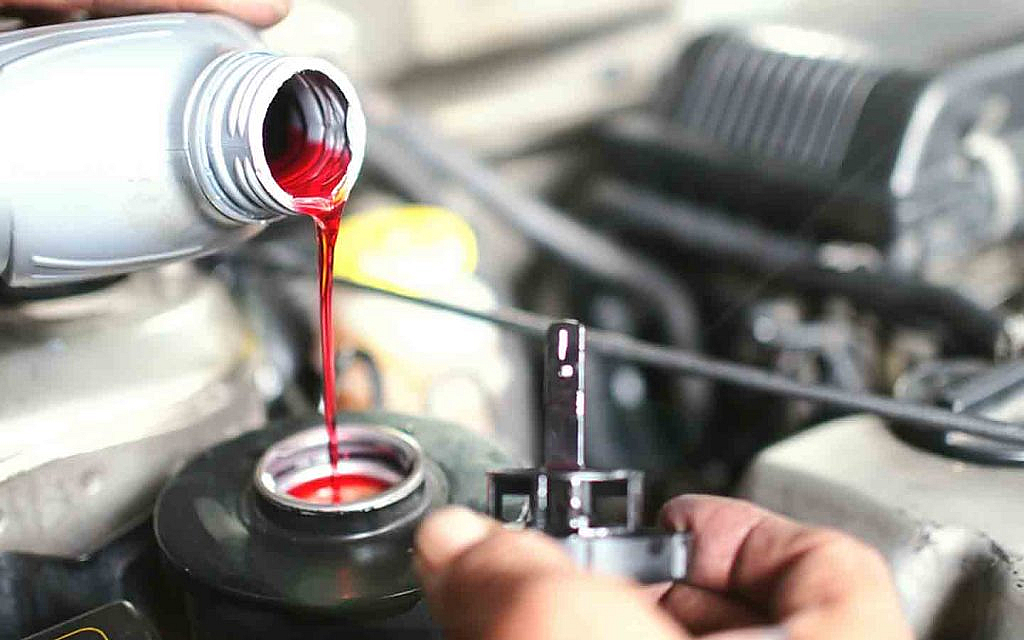
Hydraulic fluid condition can provide useful information about clutch system health. A low fluid level may indicate leakage somewhere within the hydraulic circuit. Internal master cylinder wear can also affect fluid performance and pressure generation. Contaminated fluid may further reduce reliable hydraulic operation. Regular fluid inspection can therefore reveal developing clutch concerns. However fluid replacement alone may not correct an underlying mechanical fault. The complete system should be checked when fluid levels repeatedly decline. EAS Tire & Auto can assess possible leakage and determine whether the master cylinder requires repair.
Fluid Leakage Around the Master Cylinder
Visible hydraulic fluid near the clutch master cylinder deserves immediate attention. Leakage can develop when internal seals or external connections deteriorate. The escaping fluid gradually reduces pressure available for clutch operation. Consequently, the clutch pedal may become softer and less predictable.
Conclusion
A qualified technician can examine fluid condition and hydraulic pressure carefully. The clutch pedal can also be tested for abnormal resistance and movement. Additional inspection may reveal leaks affecting connected hydraulic components. Using Auto Repair in Greenwood Village, CO service for professional clutch system assessment can support safer vehicle operation. Prompt attention can reduce the possibility of worsening hydraulic and transmission problems.