 Jennifer P. Schroeder
Thinner than hair, stronger than steel. Here is the whole idea.
Carbon fiber is everywhere in car culture and explained almost nowhere. Ask what it actually is and you get hand-waving about race cars and space shuttles. You deserve better. Here is the whole subject, what it is, why it is special, and what it means for your car, in the time it takes to drink a coffee.
What It Actually Is
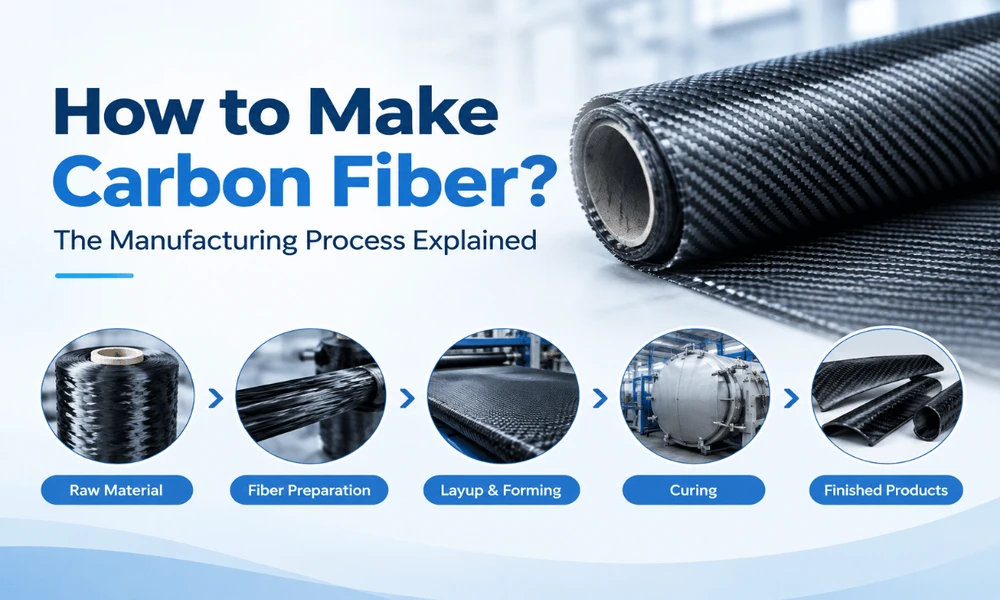
Carbon fiber starts as threads thinner than human hair. Each filament is about 5 to 10 micrometers across. Thousands of filaments are bundled into a tow, the tow is woven into fabric, and the fabric is set in epoxy resin, like raisins in a cake. The fiber provides the strength; the resin holds it in shape. That combination, fiber plus resin, is the composite, and the composite is what your hood, spoiler, or mirror cap is actually made of. The fiber itself is more than 90 percent pure carbon, which is where the name, the black color, and most of the magic come from. The full carbon fiber material guide goes deeper on the chemistry.
Why Everyone Wants It
One sentence: it is about five times lighter than steel and can be stronger, stiffness included, in the directions the fibers run. Every performance benefit flows from that ratio. Lighter panels mean better acceleration, braking, and cornering. Stiffer structures mean sharper handling. Racing adopted it first because racing feels every gram; road cars followed because the same math works at legal speeds.
What It Is Not
Carbon fiber is not invincible, and pretending otherwise sells parts but fails owners. It is brittle compared to metal: hit it hard and it cracks rather than dents, sometimes hiding damage inside the laminate. It dislikes prolonged UV unless properly clear-coated. And it is not magic weight loss. A badly made carbon part can weigh nearly what a metal one did. The material is superb. The material is not sorcery.
What It Costs, and Why
The price question deserves a direct answer. Carbon parts cost more than their metal or plastic equivalents because the process resists automation: skilled hands lay the fabric, ovens run for hours, and quality control rejects a meaningful share of everything produced. The fabric itself is only a fraction of the price. You are buying time, temperature control, and judgment. Which is also why the gap between cheap and quality carbon is wider than in almost any other product category on the car.
Where It Works on a Car
- Body panels: hoods, roofs, trunks, the classic weight-saving upgrades.
- Aero: splitters, wings, diffusers, stiff, light, and shaped precisely.
- Interior trim: mostly cosmetic, all about the look and feel.
- Wheels and propshafts: the exotic end, where rotating weight savings pay double.
How It Is Made (the Short Version)
White polymer thread gets baked at progressively higher temperatures until only carbon remains, that is the fiber. The fiber is woven into cloth, the cloth is laid into molds, resin is added, and heat and pressure turn the stack into a solid part. The carbon fiber manufacturing process walks through all seven steps, and it explains why price differences between parts are really process differences.
The Two Things to Check Before Buying
First, construction method: dry carbon (pre-preg, autoclave or oven cured) is lighter and stronger than wet carbon (resin brushed on by hand). The dry carbon vs wet carbon explainer covers the gap. Second, the clear coat, because it is the part’s only defense against sun damage. Ask those two questions of any seller and you are ahead of most buyers.
What It Feels Like
Numbers tell half the story; hands tell the rest. Pick up a real carbon fiber part and the first surprise is always the same: it feels like the part forgot to include itself. The second surprise is the tap. A hard, bright, almost ceramic note, nothing like plastic’s thud or metal’s ring. Once you have handled the real material, you can identify it blindfolded, which is a genuinely useful skill in a market full of lookalikes.
You have also met carbon fiber outside the car world without knowing it. High-end bicycle frames, tennis rackets, laptop shells, drone arms, fishing rods. Anywhere someone paid to remove weight and keep stiffness, the black weave was there. Your car parts are the same material with bigger molds. The technology transferred; only the scale changed.
The One-Paragraph Summary
Carbon fiber is hair-thin threads of nearly pure carbon, woven into cloth and set in resin, delivering steel-beating strength at a fifth of the weight. It transforms cars by removing mass from the right places, it asks for UV protection and honest inspection in return, and the quality of a part is decided by how it was made, not what it is called. That is the subject. Everything else is details. And now you know which details matter.