 Daniel D. Downes
 A recommendation to replace a cracked wheel is not automatically evidence that the repairer lacks the service you searched for. Welding is conditional on the individual component and damage. If repair is declined, ask for the reason, share the complete history when seeking clarification and consider suitable replacement options. The objective is an appropriate outcome, not simply finding someone willing to say yes.
The advertised service is conditional
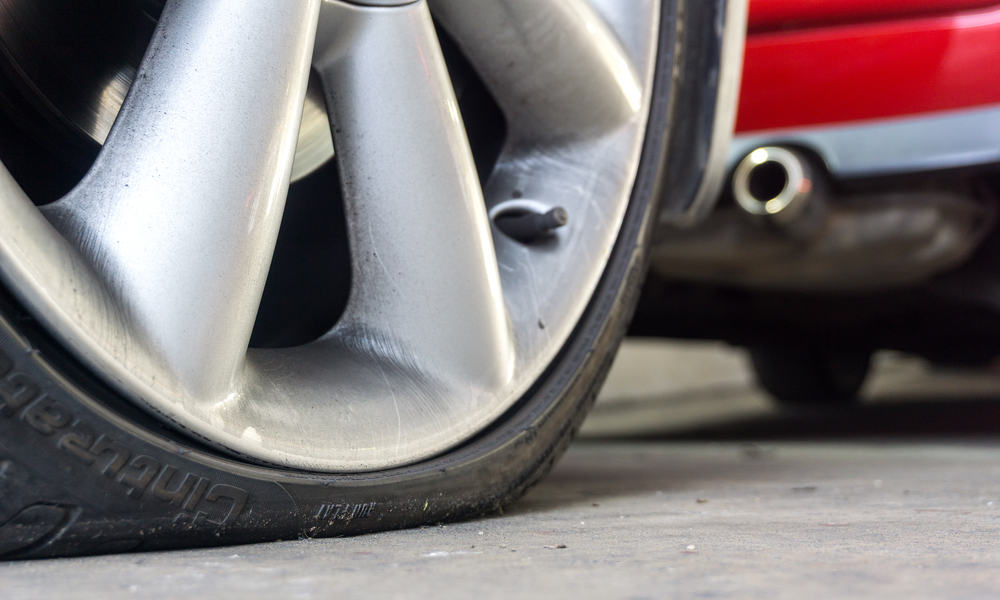
Searching for cracked-rim repair creates a natural expectation that the wheel can be saved. The owner may already have compared service descriptions or imagined avoiding the cost of replacement. An inspection that changes that expectation can feel frustrating. Yet the availability of a repair category says nothing conclusive about whether a particular damaged wheel belongs in it.
Different wheels and different cracks can lead to different recommendations. The owner should not try to decide suitability from the apparent length of a line, an online photograph or the fact that another person had a wheel welded. A direct professional assessment is needed. If damage is suspected, obtain appropriate advice about handling and transport rather than continuing to use the vehicle to see what happens.
Onyx Rims’ cracked-rim service in Mississauga explicitly describes some cracks as unsuitable for welding and identifies replacement as a possible recommendation. Its service information considers material, crack location and overall condition. That limitation belongs to the offer itself; it should not disappear when an owner reaches the quotation stage.
Ask the assessor to explain the finding in terms you can understand. You do not need detailed repair instructions to hear why the proposed service is inappropriate. The useful explanation identifies the relevant condition and the next reasonable step. If the answer is unclear, request clarification without assuming that a more persuasive conversation can change the component’s condition.
A second opinion should receive the same history
An owner may reasonably want another qualified opinion, especially when the recommendation is unexpected or difficult to understand. The value of that opinion depends partly on the information supplied. Give the second assessor the same known history, including previous damage, repairs and the first finding. Omitting inconvenient details turns the exercise into a search for a preferred answer rather than a fuller assessment.
Keep documents or photographs from the first assessment when available and appropriate to share. If the first provider explained a concern verbally, describe it accurately and distinguish the explanation from your own interpretation. A second professional may want to inspect the wheel independently. The earlier record can provide context without dictating the new opinion.
If recommendations differ, ask what accounts for the difference. Are the providers discussing the same wheel, the same damage and the same intended use? Has one seen information the other has not? The owner should not attempt to resolve a technical disagreement by choosing whichever answer costs less. Seek a clear explanation and an appropriate basis for deciding how to proceed.
Be cautious about promises given without inspection. A remote statement that “we repair those all the time” may describe general experience, but it does not establish suitability for the actual component. Clarify whether it is an invitation to assessment or a firm recommendation. The distinction matters more than the confidence of the wording.
Move the purchase decision to suitable alternatives
When replacement is the appropriate recommendation, the next task is to understand suitable options for the vehicle. That is a different shopping problem from choosing a welding service. Obtain the relevant identification and compatibility information from a qualified provider. Do not assume a wheel is suitable merely because its diameter or outward design resembles the original.
The replacement plan may involve associated tire work and other components, depending on the vehicle and what is being supplied. Ask for the complete proposed scope. A bare wheel, an assembled used item and a fully installed solution are not equivalent purchases even if their prices appear side by side in a search. Clarify the condition and history of any used option as well.
Discuss availability and vehicle downtime separately from technical suitability. A delayed suitable component can be inconvenient, but urgency does not establish that an unsuitable repair becomes acceptable. Explain your transport needs so you can plan around the recommendation. If the vehicle needs to remain unavailable, arrange alternatives based on that reality rather than an optimistic assumption about the damaged wheel.
Keep the declined repair assessment with the decision record. It explains why the original plan changed and can help other people involved understand the expenditure. This may be particularly useful when a household or business had initially approved a smaller repair budget. The conversation becomes clearer when the new cost is tied to the finding rather than described simply as an unexplained increase.
Keep the cosmetic preference in proportion
Attachment to a wheel design is understandable. A replacement may not immediately match the aged finish of the remaining set, or the owner may have invested in a custom appearance. Those are legitimate concerns to discuss after a suitable replacement path is established. They should not become arguments for attempting a repair that the assessor considers inappropriate.
Ask how the appearance difference can be managed and what choices are optional. A close match, refinishing or a broader styling decision may be considered depending on the components and desired outcome. Evaluate those possibilities as a separate cosmetic project. This helps avoid turning disappointment about one damaged wheel into an unexamined decision to replace or refinish everything.
A repair service earns trust partly by recognising its limits. The owner may leave without the welding job originally imagined, but with a more useful understanding of the wheel and a suitable next step. In that situation, declining repair is not a failed shopping trip. It is a result that changes the purchase for a reason worth understanding.