 Denise L. Moore
Every year, thousands of people pack up their lives in Hawaii and head back to the mainland. Some are military families finishing a tour. Some are students who graduated, professionals taking a new job, or retirees moving closer to grandchildren. Others simply discovered that island life, as beautiful as it is, wasn’t a forever fit.
Whatever the reason, the move raises a big question: what do you do with the car?
Unlike a move from Phoenix to Denver, you can’t just load up and drive. Your car has to cross the Pacific on a ship, then usually travel hundreds or thousands of miles more on a truck before it reaches your new driveway. It’s a two-part journey with its own rules, timelines and paperwork.
This guide covers everything you need to know: whether shipping is worth it, how the process works, how to prepare the car, and how to avoid the mistakes that cost people time and money on the way back.
Ship, Sell or Store? Making the Big Decision
Before you book anything, take an honest look at whether shipping the car is the right move. For some people it’s the obvious choice. For others, selling on the island makes more sense.
Selling in Hawaii can be attractive because used cars often hold their value well on the islands. Since every vehicle in Hawaii has to arrive by ship, local demand for reliable used cars tends to stay strong. A well-kept car can sometimes sell for more in Honolulu than it would on the mainland, which can offset much of the cost of buying another car after you move.
Shipping makes more sense when:
-
The car is paid off and reliable. A vehicle you know and trust is worth a lot, especially if you’d otherwise have to buy an unknown used car on the mainland.
-
It’s newer or higher value. The more the car is worth, the more shipping costs make sense compared with replacing it.
-
It has sentimental or special value. Classic cars, project vehicles and family cars often aren’t easy to replace at any price.
-
You’re moving somewhere with higher car prices. If you’re relocating to a region where comparable vehicles are expensive, shipping may come out ahead.
Selling makes more sense when:
-
The car shows significant rust. Salt air is hard on vehicles. A car with heavy rust may not be worth shipping, and rust problems often get worse once you look closely.
-
It’s older and near the end of its life. If major repairs are coming, sell it and start fresh.
-
It doesn’t suit your new location. A small convertible that was perfect for island roads may not be ideal for winters in Ohio.
-
Shipping costs exceed the car’s value. It sounds obvious, but run the numbers. Include ocean freight, mainland trucking and any repairs.
Storing is an option too. Some people who expect to return to Hawaii leave a car in storage or with family. Just keep registration and insurance current, and arrange regular starts and maintenance.
How the Trip Works
Shipping a car from Hawaii to the mainland typically involves two main legs, plus a third step if you’re not near the West Coast.
1. Drop-off at the island port. You deliver the car to the ocean carrier’s terminal. On Oahu, that’s Honolulu. Neighbor islands have their own ports, including Kahului on Maui, Hilo and Kawaihae on the Big Island, and Nawiliwili on Kauai. Cars from neighbor islands often travel to Honolulu first before continuing to the mainland, which can add time.
2. The ocean voyage. Ocean carriers that serve Hawaii, such as Matson and Pasha Hawaii, sail to West Coast ports in California and the Pacific Northwest. Most personal vehicles travel on roll-on/roll-off ships, where cars are driven on board, secured on an enclosed deck and driven off at the destination.
3. Pickup or onward trucking. Once the car arrives at the mainland port, you can pick it up yourself, or a car carrier can collect it from the port and truck it to your new home anywhere in the country.
That third step is where many people underestimate the planning. If you’re moving to Texas, Florida or New York, the ocean trip is only half the journey. Booking the whole trip together, from island port to front door, avoids the car sitting at the port while you scramble to find a truck. A company that specializes in shipping a car from Hawaii to the mainland can coordinate both legs so the car moves from ship to truck without long gaps.
Choosing Your Mainland Port
Where your car lands on the mainland affects how long the trip takes, how much it costs, and how easy pickup will be. The main options are ports in Southern California, Northern California and the Pacific Northwest.
Southern California is often the best choice for people moving to the Southwest, Southern California itself, or anywhere along the southern half of the country. From there, trucks can head east along major interstates toward Arizona, Texas and beyond.
Northern California works well for people moving to the Bay Area, Sacramento, Nevada or the central part of the West.
The Pacific Northwest is the natural choice for Washington, Oregon, Idaho and the northern states.
If your new home is in California, the decision is usually simple. People who ship a car from Hawaii to California can often pick it up at the port themselves or have it delivered locally within a day or two of arrival.
If you’re heading further east, choose the port that gives the trucking leg the most direct route. Ask your transport company which port makes the most sense for your destination and which sailings line up with your moving date.
How Long Does It Take?
The total time depends on three things: when the car is dropped off relative to the sailing schedule, the ocean voyage itself, and the mainland trucking leg.
The ocean crossing from Honolulu to the West Coast is often around a week, give or take. Add a few days for port processing at each end. Neighbor island cars may need extra time for the inter-island connection.
The trucking leg depends on distance. Delivery within California may take only a day or two. A trip from a California port to the East Coast commonly takes one to two weeks.
All told, many shipments take somewhere between two and five weeks from island drop-off to mainland delivery. Plan for a stretch without your car at the start of your new life, and arrange a rental or other transport for those first weeks.
What Affects the Price?
Every shipment is priced individually, but the same factors come up every time:
-
Island of origin. Shipping from Honolulu is usually simpler than from a neighbor island.
-
Mainland port. Some ports have more frequent sailings, which can affect availability and timing.
-
Final destination. The farther the trucking leg, the higher the total.
-
Vehicle size. Larger trucks and SUVs take more space on the ship and the truck.
-
Running condition. A car that doesn’t run needs special handling and may not be accepted for standard roll-on/roll-off service.
-
Season. Summer is a busy relocation season, and military rotation periods can tighten capacity.
-
Door-to-door vs. port-to-port. Delivering to your door costs more than collecting the car at the port, but it saves you a trip.
When comparing quotes, make sure each one covers the same thing. A low port-to-port price isn’t comparable to a door-to-door quote that includes the mainland trucking. Ask for the price in writing, too, so it doesn’t change after you book.
Preparing the Car to Leave the Islands
Ocean carriers have strict rules for every vehicle they accept. A car that doesn’t meet them can be turned away at the port. Confirm the current requirements with your shipper, but expect these.
-
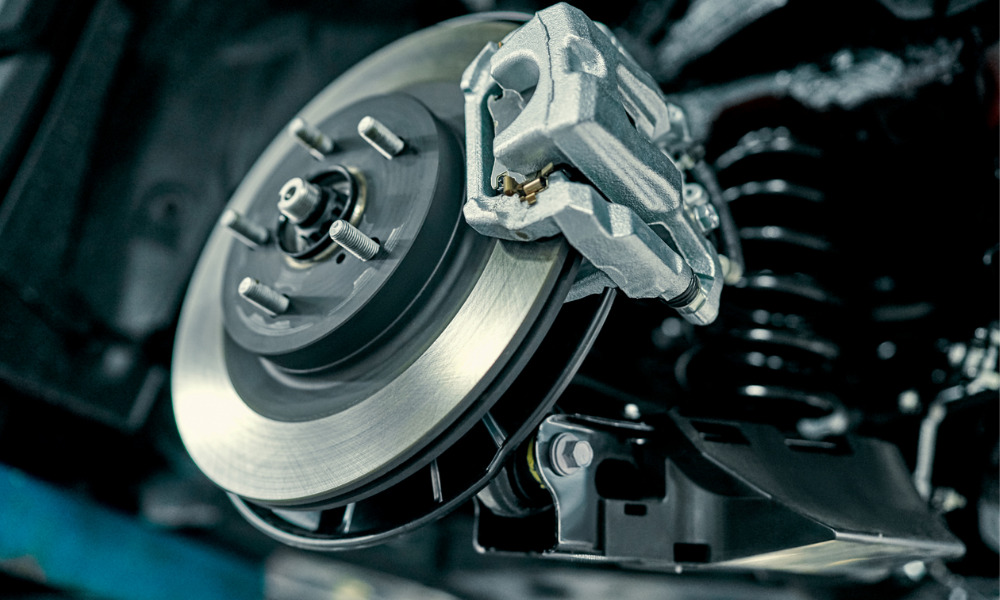
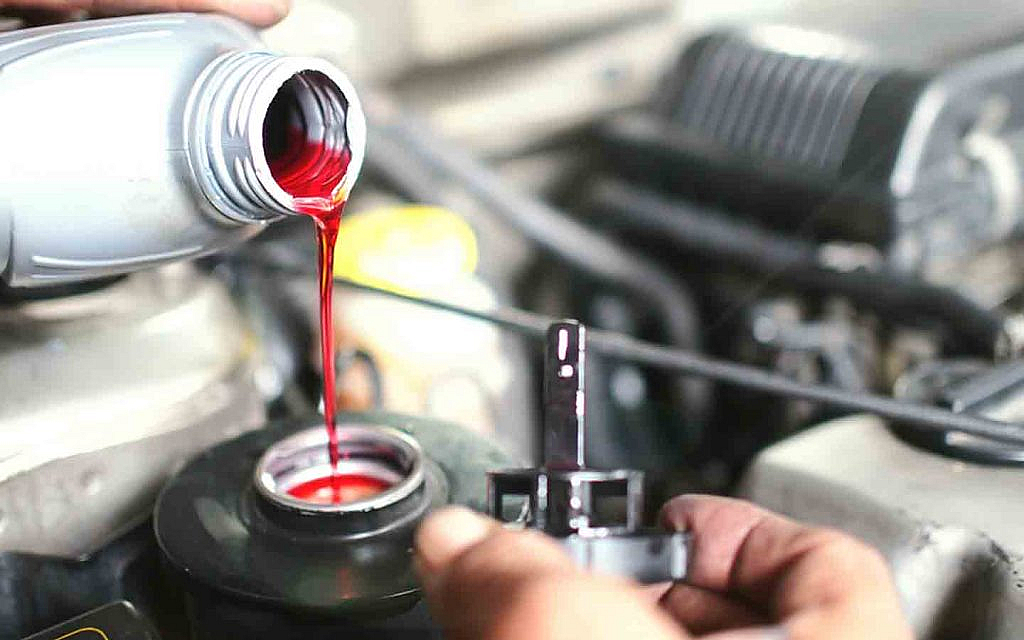
Check for rust and fix leaks. Years of salt air can take a toll. Have a mechanic look over the car before shipping, especially the undercarriage, brakes and exhaust. Fix any fluid leaks, because leaking vehicles may be refused.
-
Clean the car thoroughly. Wash the exterior and undercarriage, and remove sand, soil and plant material. Clean the interior too, including the trunk.
-
Keep the fuel low. Most ocean carriers require a quarter tank or less.
-
Remove personal items. Generally, only standard equipment like the spare tire and jack can stay in the car. Ship your belongings with your household goods, not in the trunk.
-
Remove accessories. Take off roof racks, bike racks, surfboard racks and anything else that could be damaged or lost.
-
Disable aftermarket alarms. Turn them off or provide instructions for the crew.
-
Check the battery. A weak battery can leave the car stranded at the port. Replace it if it’s borderline.
-
Photograph everything. Take dated photos of every side, the wheels, the interior and the odometer before drop-off.
Paperwork for Leaving Hawaii
The paperwork isn’t complicated, but missing one document can delay a sailing.
-
Current registration. Make sure the vehicle’s registration is valid at drop-off.
-
Title or proof of ownership. Bring the title or a copy, depending on the carrier’s requirements.
-
Lienholder authorization. If the car is financed or leased, you’ll typically need a letter from the lender approving the shipment. Request it early, because some lenders take a week or more.
-
Photo ID. Whoever drops off the car needs valid identification.
-
Authorization letter. If someone else will drop off or pick up the car for you, they’ll need written authorization.
Also check with your county motor vehicle office about what to do with your Hawaii registration and plates once the car leaves the state. Practices can vary, and it’s best to settle this before you go.
Arriving on the Mainland
When the car arrives, inspect it carefully before you sign for it, whether you’re collecting it at the port or a driver is delivering it to your door.
Compare against your records. Use your drop-off photos and the inspection report from the island port. Check the paint, glass, wheels and interior.
Note any damage immediately. Write it on the delivery paperwork before the driver leaves or before you leave the terminal, and take photos right away.
Then handle the paperwork in your new state:
-
Registration. Most states require you to register a vehicle within a set period after you become a resident. Check your new state’s deadline.
-
Inspections and emissions. Some states require a safety inspection, an emissions test or a VIN verification for vehicles coming from out of state. California, for example, typically requires an emissions check when registering a vehicle from another state.
-
Insurance. Update your policy with your new address. Rates can change significantly from Hawaii to your new state.
-
Driver’s license. Your new state will likely require you to get a local license within a certain time.
If You’re Moving Inland or Back East
For people moving well beyond the West Coast, a few extra tips make the trip smoother.
Book both legs at once. Coordinate the ocean shipment and mainland trucking together. If the car arrives at the port and no truck is lined up, it can sit there and run up storage fees.
Be flexible on delivery dates. Ships and trucks don’t always line up perfectly. A delivery window of a few days is normal.
Consider meeting the truck. Large car carriers can’t always reach narrow residential streets or gated communities. Be ready to meet the driver at a nearby lot.
Think about the season. If you’re moving to a cold-weather state in winter, have the car checked for winter readiness after it arrives. A car that’s spent years in Hawaii may need new wiper blades, a stronger battery or different tires.
Common Mistakes When Shipping a Car From Hawaii
These are the problems that come up again and again.
Waiting too long to book. Sailings fill up, especially in summer and during military rotation periods. Book several weeks ahead.
Forgetting the lienholder letter. It’s the most common reason a car gets delayed at drop-off.
Packing the trunk. Personal items usually aren’t allowed and will have to be removed at the port, often at the last minute.
Overlooking rust. A car with hidden rust problems may not be worth shipping. Have it checked before you commit.
Ignoring the mainland leg. The ocean trip gets all the attention, but the trucking leg can take just as long. Plan it from the start.
Comparing mismatched quotes. Make sure every quote covers the same pickup point, delivery point and services.
If You Might Come Back
Not everyone who leaves Hawaii leaves for good. Some people move for a temporary assignment, a few years near family, or a job that may bring them back. If there’s a chance you’ll return, keep a few things in mind.
Hold on to your shipping records, maintenance history and inspection reports. They make the next move easier. Keep an eye on the car’s condition, especially if it’s going into storage. And remember that the process works much the same in reverse, with the same preparation and paperwork.
If you do head back to the islands someday, shipping a car from Los Angeles to Hawaii is one of the most common routes, and many of the steps in this guide will look familiar.
Your Hawaii-to-Mainland Checklist
Six to eight weeks before you move:
-
Decide whether to ship, sell or store the car
-
Get a mechanic’s inspection, especially for rust and leaks
-
Request a lienholder authorization letter if needed
-
Get quotes that cover the same services, door to door if possible
Three to four weeks before:
-
Book the ocean shipment and mainland trucking together
-
Choose your mainland port based on your final destination
-
Check your new state’s registration and inspection rules
-
Arrange transportation for the weeks without your car
The week of drop-off:
-
Wash the car inside and out, including the undercarriage
-
Remove personal items and accessories
-
Bring the fuel down to the required level
-
Disable aftermarket alarms
-
Photograph the car from every angle
-
Gather registration, title, lienholder letter and ID
When the car arrives:
-
Inspect it before signing
-
Register it in your new state
-
Update your insurance
-
Complete any required inspections or emissions tests
The Bottom Line
Shipping a car from Hawaii to the mainland is a bigger project than a typical move, but it’s straightforward when you plan ahead. Decide early whether the car is worth shipping, prepare it to the ocean carrier’s standards, choose the mainland port that fits your destination, and book the ocean and trucking legs together.
Do that, and your car will be waiting for you at your new home, ready for whatever roads come next. Mahalo, Hawaii, and safe travels.