Skip to content
Thursday, March 19, 2026
  • Why Shock-Absorbing ATV Tyres Are a Game-Changer for Off-Road Comfort
  • Why Compliance is Critical for Over-Dimensional and Over-Mass Haulage
  • Soft Compound Vs Hard Compound Tyres: Making the Right Choice
  • Best Car Tint Percentage for Thailand? 40% vs 60% vs 80%
Auto Stickz

Auto Stickz

Auto Blog

Newsletter
Random News
  • Let’s Chat
  • Meet the Team
  • Why Shock-Absorbing ATV Tyres Are a Game-Changer for Off-Road Comfort
  • Why Compliance is Critical for Over-Dimensional and Over-Mass Haulage
  • Soft Compound Vs Hard Compound Tyres: Making the Right Choice
  • Best Car Tint Percentage for Thailand? 40% vs 60% vs 80%
Auto Stickz

Auto Stickz

Auto Blog

Newsletter
Random News
  • Let’s Chat
  • Meet the Team
Headlines
  • Why Shock-Absorbing ATV Tyres Are a Game-Changer for Off-Road Comfort

    20 hours ago12 hours ago
  • Why Compliance is Critical for Over-Dimensional and Over-Mass Haulage

    20 hours ago12 hours ago
  • Soft Compound Vs Hard Compound Tyres: Making the Right Choice

    6 days ago3 days ago
  • Best Car Tint Percentage for Thailand? 40% vs 60% vs 80%

    1 week ago1 week ago
  • The Impact of Tire Rotation on Noise Levels Inside Your Vehicle

    3 weeks ago
  • The Hidden Role of Heater Hoses in Evaporative Emission Control

    3 weeks ago
  • Common Symptoms Indicating Your Car AC Needs Repair

    3 weeks ago3 weeks ago
  • Self driving taxi rules in the UK and what Doncaster riders should know

    3 weeks ago3 weeks ago
  • How to Choose the Right Diesel Mechanic in Bozeman

    4 weeks ago
  • Choosing the Right Attachment: Why the Skid Steer Loader Grapple Bucket Is a Game-Changer for Demolition Work

    4 weeks ago4 weeks ago
  • Home
  • Maintenance
  • DIY Maintenance: How to Change Your Vehicle’s Brake Pads

Recent Posts

  • Why Shock-Absorbing ATV Tyres Are a Game-Changer for Off-Road Comfort
  • Why Compliance is Critical for Over-Dimensional and Over-Mass Haulage
  • Soft Compound Vs Hard Compound Tyres: Making the Right Choice
  • Best Car Tint Percentage for Thailand? 40% vs 60% vs 80%
  • The Impact of Tire Rotation on Noise Levels Inside Your Vehicle

Quick Link

  • Let’s Chat
  • Meet the Team
  • Maintenance

DIY Maintenance: How to Change Your Vehicle’s Brake Pads

Malcolm3 years ago3 years ago03 mins
Vehicle's Brake Pads

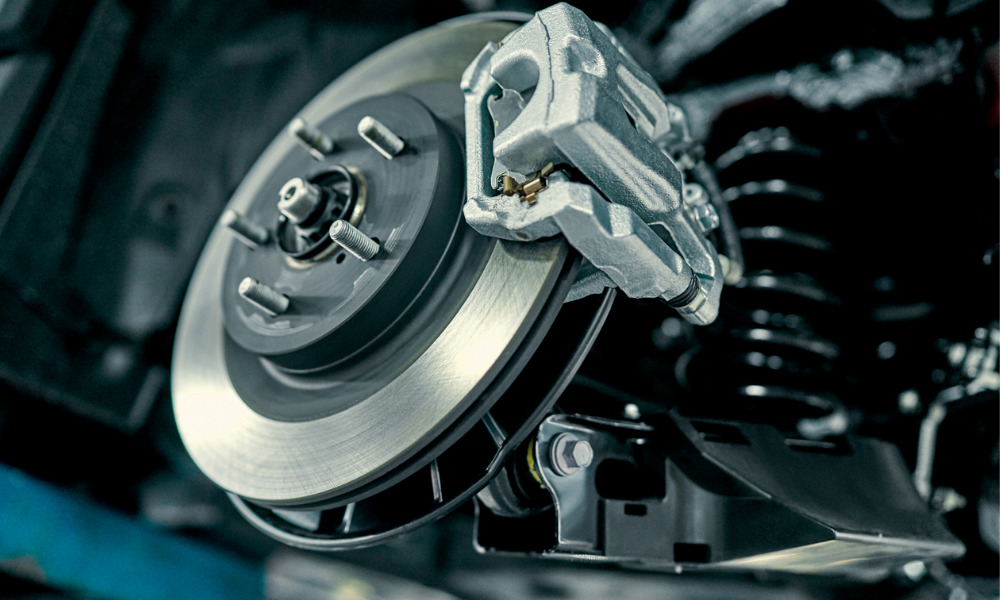
Brake pads are an essential part of your vehicle’s braking system. They are responsible for slowing down and stopping your vehicle by creating friction with the brake rotor. Over time, brake pads wear down and need to be replaced to ensure your vehicle’s safety. In this article, we will guide you through the process of changing your vehicle’s brake pads.

Step 1: Gather the Necessary Tools and Materials

Before you begin, make sure you have all the necessary tools and materials at hand. You will need:

  • Jack and jack stands
  • Lug wrench
  • Ratchet wrench and socket set
  • New brake pads
  • Brake cleaner
  • Brake grease

Step 2: Prepare Your Vehicle

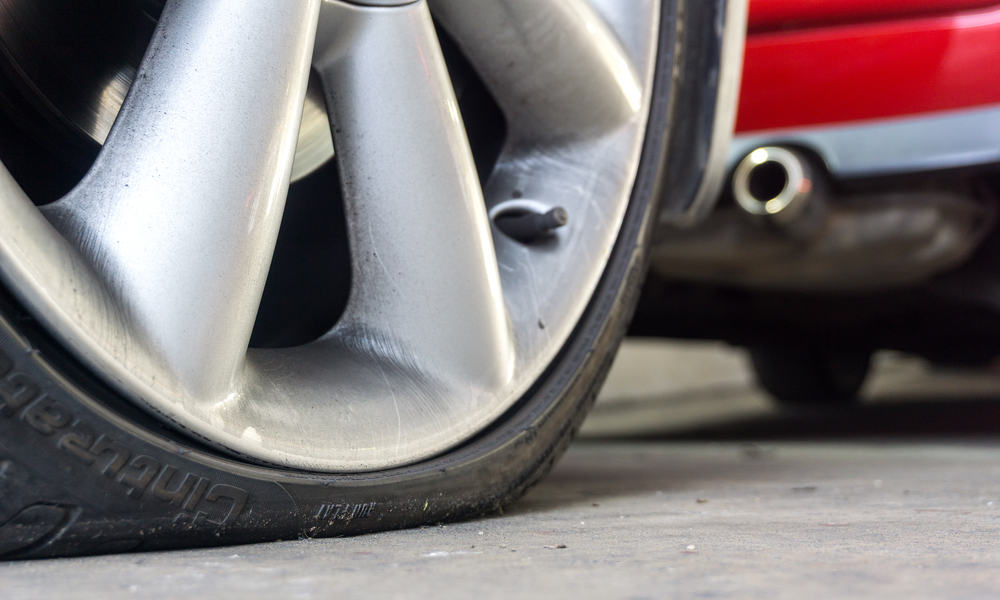
First, park your vehicle on a flat surface and engage the parking brake. Loosen the lug nuts on the wheel you will be working on, but do not remove them yet. Then, use a jack to lift the vehicle off the ground and place jack stands under the vehicle for support. Remove the lug nuts and take off the wheel to access the brake caliper.

Step 3: Remove the Brake Caliper

Using a ratchet wrench and socket set, remove the bolts that hold the brake caliper in place and slide the caliper off the rotor. Be careful not to damage the brake line or brake pads while doing this.

Step 4: Replace the Brake Pads

Remove the old brake pads from the caliper by pulling them out or unscrewing them. Then, insert the new brake pads into the caliper, making sure they are securely in place. Apply brake grease to the back of the brake pads to prevent noise and vibration.

Step 5: Reinstall the Brake Caliper

Slide the brake caliper back onto the rotor and secure it in place with the bolts. Tighten the bolts to the manufacturer’s specifications using a torque wrench.

Step 6: Reinstall the Wheel

Place the wheel back onto the hub and hand tighten the lug nuts. Lower the vehicle back onto the ground and use a lug wrench to tighten the lug nuts in a star pattern.

Step 7: Test Your Brakes

Before driving your vehicle, pump the brake pedal a few times to ensure the brake pads are in contact with the rotor. Then, test your brakes by slowly driving your vehicle and gradually applying the brakes.

Changing your vehicle’s brake pads is a simple and cost-effective way to ensure your vehicle’s safety. By following these steps, you can save money by doing it yourself and have peace of mind knowing your brakes are in good condition.
Tagged: Brake Pads Car Repair DIY Maintenance

Post navigation

Previous: The Rise of In-Car Infotainment Systems: A Look at the Latest Trends
Next: Mastering the Art of Defensive Driving: Essential Skills and Techniques

Related News

The Impact of Tire Rotation on Noise Levels Inside Your Vehicle

Heidi G. Rodriguez3 weeks ago 0

How to Choose the Right Diesel Mechanic in Bozeman

Jennifer P. Schroeder4 weeks ago 0

The Best Way to Protect Diesel Fuel Systems in Any Season

Malcolm2 months ago2 months ago 0
Engine Oil

Decoding the Science Behind Engine Oil: Composition and Importance

Malcolm3 years ago3 years ago 0

Categories

  • Auto
  • Driving Tips
  • Featured
  • Maintenance
  • SUVs
  • Vehicles
  • FAVORITES
  • RECENT