 Heidi G. Rodriguez
If a ring or other valued object may be loose inside the car, tell the detailer before the affected area is cleaned. Name its last plausible location and ask to pause work there while you decide how to search. A normal vacuuming request should not quietly become a lost-property recovery assignment, and a suspected seat gap should not be dismantled by guesswork.
Change the instruction before the suspected area is cleaned
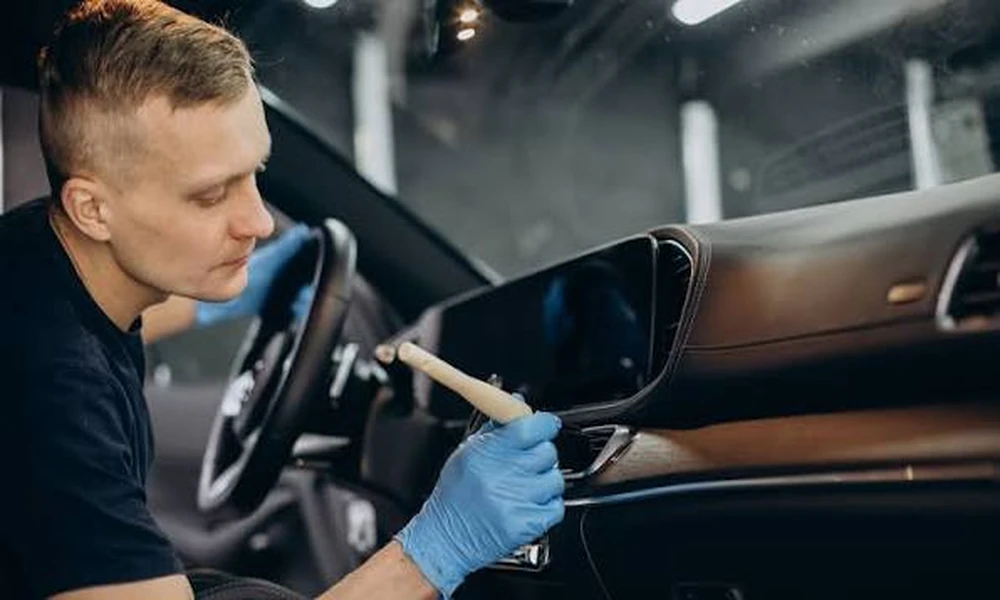
Suppose you are emptying the car for an interior detail when you notice that a familiar ring is missing. You remember taking it off during an earlier journey, but cannot remember putting it back on. The car is one possible location among several. That uncertainty is worth communicating immediately because the cleaning appointment is about to change the condition of the place you want to search.
Give the shop a direct instruction rather than a hopeful aside. Explain that a small valuable may be near a particular seat and ask whether cleaning in that area can be held while you discuss the next step. “Please look out for something” leaves too much unsaid. The staff member needs to know whether the ordinary work should proceed, pause or exclude the suspected location.
Make sure the message reaches the person carrying out the clean. A note in an earlier booking exchange may not be obvious to somebody accepting the car on the day. Repeat the information at handover and ask how it will be attached to the work order. The point is to change the physical task before it starts, not merely establish that a warning appeared somewhere in a message history.
If the appointment is already underway, contact the business promptly and ask what stage the work has reached. Describe the concern without assuming that the object was there or that it has been moved. The answer may change the search plan. An accurate account of what has already happened is more useful than making the situation sound certain in order to convey its importance.
Reconstruct where the object could be without taking the seat apart
Return to the last moment you remember having the item. Which seat were you using? Was it in a pocket, a bag or your hand? Did you move to another vehicle afterwards? These questions can narrow the possible location without turning a possibility into a fact. Write down the useful details before repeated retelling makes the memory seem more definite than it is.
Give a description that distinguishes the object if it is found. Its material, approximate size and identifying features can matter more than a statement that it is valuable. A photograph you already have may help. Avoid circulating unnecessary personal information or an elaborate account of its financial value when a simple identifying description will do.
A small object near a seat mechanism is a reason to seek appropriate assistance, rather than remove trim, reach into an obscured mechanism or move the seat while somebody is searching beneath it. Do not convert a cleaning appointment into improvised vehicle disassembly. If access requires work beyond the detailer’s service, discuss who is qualified to assess it and whether that should happen before the clean continues.
If vacuuming was part of the SRS Tints work order when you booked the detailing service, have the suspected area paused before that task starts. For a Vaughan owner, this changes an agreed cleaning job at a specific location. Ask what the provider can accommodate while you settle the search, rather than assuming the original package includes a dedicated recovery service.
Consider whether you need time to check places outside the car. The ring may be in a coat pocket or at the place you visited before the journey. Postponing part of the clean while you check those possibilities can be more sensible than paying for an elaborate search based on an uncertain recollection. Let the strength of the information guide the next action.
Agree what happens if an item is found
Ask how the shop would contact you and keep an identified discovery available for collection. Agree that arrangement directly; do not assume a universal lost-property policy. A provider may have its own procedure for items encountered during cleaning, and the owner should understand how that procedure relates to the concern reported.
Keep the instruction specific enough to use. Name the object, the suspected location and the contact person. If somebody else will collect the vehicle, explain whether that person may also collect a recovered item and how identification will be handled. The staff should not have to infer that authority from the fact that the person has arrived for the keys.
A discovery may turn out to be something else. An unfamiliar earring or another small object can be set aside and described without immediately declaring the original search successful. Confirm that the item matches the description before closing the matter. This avoids an awkward situation in which everybody stops looking because one shiny object has been found.
If nothing is found, ask what was actually checked and what remained inaccessible. Keep that answer factual. “The accessible gap was checked” is different from “the ring is definitely not in the vehicle.” The limits of the search help you decide whether to seek another assessment or return to the other possible locations.
Restart the detail when the search decision is settled
Once the relevant decision is made, tell the shop explicitly whether the paused work may continue. You may have found the object elsewhere, arranged a separate assessment or chosen to leave one area untouched for now. Each outcome changes the cleaning request in a clear way. Silence should not be left to stand in for approval to resume.
Revisit the timing if the pause has changed the appointment. The original collection hour may no longer be realistic, or the remaining work may need another visit. Discuss the actual options instead of expecting staff to recover the lost time while also handling an unusual concern. A calmly revised order is easier to complete than two incompatible expectations.
You may finish the day with a clean car and an unresolved search, or with a recovered item and a later cleaning date. Keep those outcomes separate. The important progress is knowing what has been checked and what work is now authorised, without letting an ordinary vacuuming job erase the last useful lead by accident.